Newsletter Subscribe
Enter your email address below and subscribe to our newsletter

 ByJohn A
Choosing the right rug can transform the appearance and comfort of any interior space. From adding warmth to a minimalist living room to introducing texture into a traditional setting, rugs play an important role in interior design. However, finding a rug that complements existing furniture, flooring, colours, and decorative elements can be challenging. A reliable rugs supplier can help simplify this process by offering different materials, patterns, sizes, colours, and designs suited to various interior styles.
Understanding how rugs work with different design themes makes it easier to select an option that looks attractive and serves a practical purpose. Whether furnishing a residential property, decorating a hospitality space, or planning a commercial interior, working with an experienced supplier can help you make informed purchasing decisions.
Rugs do more than cover floors. They help define spaces, introduce visual interest, improve comfort, and connect different elements within a room. The right design can complement existing furniture, while an unsuitable pattern or size may make the space feel unbalanced.
A rugs supplier can help buyers explore options based on their preferred interior style and practical requirements. This includes considering the room’s dimensions, foot traffic, existing colour palette, furniture arrangement, and maintenance expectations.
Colour and pattern selection can influence the overall atmosphere of a room. Neutral shades often suit understated interiors, while bold colours and distinctive patterns can create a focal point. Geometric designs may complement contemporary spaces, whereas floral and ornamental patterns can work well in traditional settings.
A supplier can help compare these options and identify designs that coordinate with existing décor without overwhelming the room.
Rug materials affect appearance, softness, durability, and maintenance. Wool, cotton, natural fibres, and synthetic materials each offer different characteristics. For example, a soft, dense rug may be suitable for a comfortable living area, while a relatively easy-to-clean option may be more practical for a busy entrance.
Discussing material characteristics with a rugs supplier helps buyers balance visual preferences with everyday use.
Every interior style has its own design principles. Understanding these differences helps narrow the available choices and ensures that the rug complements the surrounding environment.
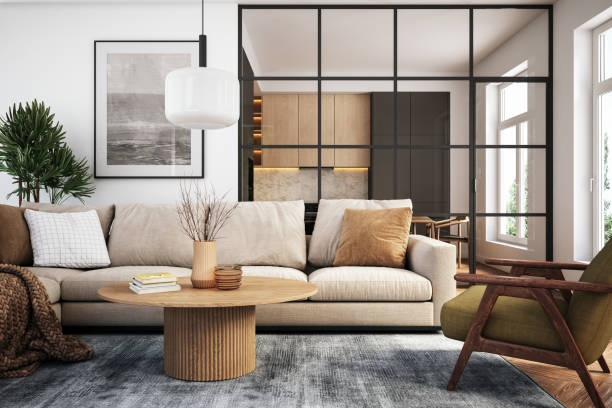
Modern interiors often feature clean lines, uncluttered layouts, functional furniture, and balanced colour schemes. Rugs with simple geometric patterns, subtle textures, or solid colours can complement these characteristics.
A rugs supplier can help identify designs that introduce visual interest without making the room feel crowded. Grey, beige, cream, charcoal, and muted earth tones are common choices for contemporary spaces, although brighter accents may also work when used thoughtfully.
Low-profile rugs can suit areas with streamlined furniture, while textured designs can introduce depth into rooms with smooth surfaces.
Traditional interiors often incorporate detailed furniture, decorative accessories, rich colours, and established design patterns. Rugs featuring floral motifs, intricate borders, or ornamental designs can complement these elements.
A supplier can help buyers explore patterns and colour combinations that coordinate with wooden furniture, patterned upholstery, and classic decorative finishes. Deep red, navy, brown, and muted gold tones may suit certain traditional settings, depending on the existing décor.
The goal is to create visual harmony rather than introduce competing patterns throughout the room.
Minimalist design focuses on simplicity, functionality, open space, and a limited colour palette. Rugs used in these interiors should support the overall design without becoming unnecessary visual distractions.
A rugs supplier can recommend understated designs with subtle patterns, natural textures, or neutral shades. Cream, white, beige, and soft grey can complement minimalist furniture and uncluttered layouts.
Texture becomes particularly important in these spaces because it adds warmth and dimension without relying on elaborate patterns. Choosing the correct size also helps maintain a balanced appearance.
Bohemian and eclectic interiors often combine different colours, patterns, textures, and decorative influences. Rugs can help bring these elements together while adding personality to the room.
A supplier can help buyers explore colourful designs, layered patterns, textured finishes, and distinctive motifs. These options may work well in creative living spaces, informal lounges, and rooms featuring a mixture of furniture styles.
When combining multiple patterns, it is helpful to maintain a connection through shared colours, complementary tones, or similar design elements. This creates a more cohesive appearance without limiting creativity.
Scandinavian interiors generally emphasise natural light, practical furniture, simple forms, and a comfortable atmosphere. Rugs with restrained patterns, natural-looking textures, and soft colours can support this style.
A rugs supplier can help identify options that complement light-coloured flooring, wooden furniture, and neutral upholstery. Beige, off-white, pale grey, and muted green are potential choices.
Comfort is another important consideration. A rug with a pleasant texture can make a room feel warmer, especially when paired with hard flooring.
Industrial interiors often feature exposed brick, concrete surfaces, metal accents, and darker colour schemes. Rugs can soften these materials and introduce contrast without changing the character of the space.
A supplier may suggest textured rugs, distressed patterns, geometric designs, or darker neutral colours. Charcoal, brown, rust, and grey can complement industrial finishes.
The rug should also suit the intended use of the space. For busy commercial interiors, durability, cleaning requirements, and resistance to everyday wear may be more important than appearance alone.
Understanding interior styles is only one part of selecting a suitable rug. Buyers should also evaluate practical considerations before finalising their purchase.
The dimensions of a rug influence how furniture and surrounding spaces appear. A rug that is too small may look disconnected from the furniture, while an oversized option may dominate the room.
Measure the available floor area and consider whether the rug should sit beneath the main furniture pieces, anchor a seating arrangement, or occupy a smaller decorative area. A supplier can help compare available sizes against these requirements.
Different rooms experience different levels of activity. Bedrooms may benefit from softer textures, whereas hallways, dining areas, and commercial spaces often require materials that can handle frequent use.
Discuss cleaning methods, shedding, stain resistance, and expected wear before choosing a material. Actual performance depends on fibre composition, construction, and maintenance practices.
Rug prices can vary according to material, size, construction, design complexity, and manufacturing method. Establishing a budget before exploring options helps narrow the selection.
A rugs supplier can explain the differences between available products and help buyers compare options based on their priorities. For larger projects, it is also useful to confirm stock availability, delivery schedules, and consistency across multiple rugs.
Before making a purchase, consider asking the following questions:
These questions help clarify whether the available options meet both design expectations and practical requirements.
See also: What Is AML in the Crypto Industry?
Finding the right rug involves more than choosing an attractive pattern. The material, size, colour, texture, durability, and overall design must work together with the surrounding interior. A knowledgeable rugs supplier can help buyers compare these factors and explore suitable options for modern, traditional, minimalist, bohemian, Scandinavian, and industrial spaces.
By understanding the room’s requirements, establishing a realistic budget, and discussing available designs and materials, buyers can make more confident decisions. The result is a rug that complements the interior style, supports everyday use, and contributes to a comfortable and visually balanced environment.