Newsletter Subscribe
Enter your email address below and subscribe to our newsletter

 ByJohn A
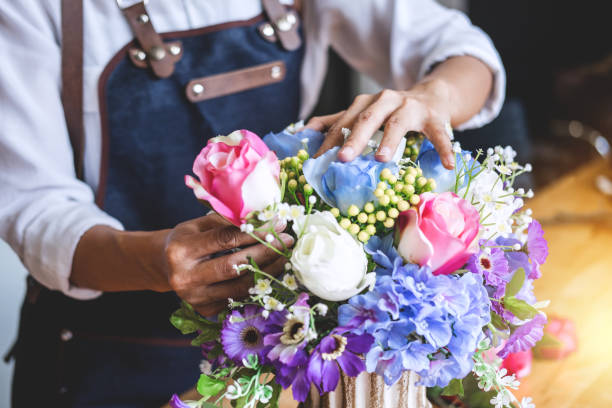
Modern interior design focuses on simplicity, functionality, balanced colours, and carefully selected decorative elements. Every item in a room should contribute to the overall appearance without making the space feel crowded. Artificial flower arrangements can complement this style by introducing colour, texture, and natural-inspired beauty into different interiors. They offer a practical way to decorate homes, offices, and other indoor spaces without the regular watering and maintenance required by fresh flowers.
When selected thoughtfully, artificial flower arrangements can enhance contemporary interiors, create visual interest, and help connect different design elements throughout a room.
Modern interiors often feature clean lines, open spaces, neutral colour palettes, and minimal decoration. Although these features create an organised appearance, some rooms can feel plain without decorative accents.
Artificial flowers introduce softness and visual variety without disrupting the overall design. Their colours, shapes, and textures can complement furniture, wall finishes, lighting, and other accessories.
White, beige, grey, and other neutral shades are common in modern interiors. While these colours create a calm atmosphere, carefully placed flowers can introduce a refreshing contrast.
For example, white flowers in a dark vase can maintain a sophisticated appearance, while muted pink or green arrangements can add subtle colour to a light living room. Bold colours can also work well when used sparingly in otherwise simple spaces.
A well-designed room balances larger furniture pieces with smaller decorative accessories. An artificial flower arrangement can help fill an empty corner, soften the appearance of a solid furniture surface, or create a focal point on a dining table.
The key is to choose an arrangement that fits the available space rather than selecting one that competes with other decorative elements.
Not every arrangement suits every interior. The best choice depends on the room’s colour scheme, furniture, materials, and overall design direction.
Minimalist spaces benefit from simple arrangements with a limited number of flowers and a restrained colour palette. A small arrangement of white flowers, neutral-toned stems, or subtle greenery can add interest without making the room feel cluttered.
Choose a simple ceramic or glass vase with clean lines. Avoid excessive decorative accessories around the arrangement so that the flowers remain a subtle feature.
Contemporary interiors often combine different materials, shapes, and finishes. Artificial flowers can complement these elements through contrasting textures and carefully coordinated colours.
For instance, a sculptural arrangement in a sleek vase may work well on a console table, while a fuller display can bring warmth to a spacious living area. The arrangement should complement the furniture rather than overwhelm it.
Scandinavian-inspired interiors typically emphasise natural light, practical furniture, light colours, and understated decoration. Artificial flowers in soft shades, accompanied by realistic green foliage, can support this aesthetic.
Simple arrangements in white, cream, pale pink, or muted green can work particularly well with light wood furniture and neutral fabrics.
Colour and texture play an important role in making decorative elements look integrated rather than separate from the rest of a room.
Before choosing flowers, consider the main colours already present in the space. Look at the walls, curtains, upholstery, rugs, and furniture finishes.
There are several ways to create a coordinated appearance:
Using a consistent palette helps the arrangement feel like a deliberate part of the interior design.
Modern rooms often include smooth surfaces such as glass, polished stone, metal, and lacquered furniture. Artificial flowers can introduce softer textures that balance these finishes.
Flowers with layered petals and realistic foliage can contrast with a smooth tabletop or a simple vase. For a more refined appearance, choose materials and finishes that suit the quality and style of the surrounding décor.
Placement affects how an arrangement interacts with the room. Even attractive flowers may look out of place if they block movement or compete with important design features.
In living rooms, artificial flowers can be placed on coffee tables, side tables, shelving units, or console tables. A low arrangement is often suitable for a coffee table because it allows people to see across the seating area.
Larger arrangements may work well beside a fireplace or in an unused corner, provided they do not obstruct walkways or make the room feel crowded.
Dining tables are natural locations for floral decoration. However, the arrangement should suit the table’s dimensions and the way the space is used.
A compact centrepiece can add colour without taking up too much room. For long dining tables, a balanced arrangement or several small displays may create a more consistent appearance than one oversized centrepiece.
In bedrooms, artificial flowers can add a decorative touch to bedside tables, dressers, or shelves. Soft colours and understated designs generally suit spaces intended for rest.
In home offices, a small arrangement can introduce colour and visual interest without taking up valuable workspace. Choose a size that leaves sufficient room for everyday tasks.
A focal point is an element that naturally attracts attention when someone enters a room. Artificial flowers can serve this purpose when their size, colour, or placement contrasts with the surrounding décor.
The scale of the arrangement should correspond to the furniture and available space. A tiny vase may appear insignificant on a large dining table, while an oversized display can dominate a small side table.
Consider the height and width of the furniture, nearby decorative objects, and the amount of open space around the arrangement. Leaving enough room around the flowers helps them stand out without creating visual clutter.
The vase is an important part of the overall display. A simple vase can emphasise the flowers, while a textured or sculptural design can contribute its own decorative character.
Glass vases can suit light and airy interiors, ceramic vases can add texture, and metal finishes can complement contemporary spaces. Choose a shape and material that work with the room’s existing finishes.
The success of artificial flower arrangements depends partly on how realistic and well-maintained they appear. Poorly arranged stems, visible dust, and faded colours can reduce their decorative appeal.
Look for flowers with natural-looking petal shapes, realistic colour variations, and foliage that resembles real leaves. Avoid arrangements with overly shiny surfaces or colours that look noticeably artificial when viewed from a normal distance.
Consider the intended viewing position as well. An arrangement displayed on a coffee table may be examined more closely than one placed on a high shelf.
Dust can accumulate on petals, leaves, and stems over time. Clean artificial flowers regularly according to their material and the manufacturer’s care instructions.
Use a soft brush or suitable cloth where appropriate, and avoid excessive moisture if the materials are not water-resistant. Keeping the vase clean and adjusting bent stems can also help preserve the display’s appearance.
See also: What Is AML in the Crypto Industry?
Although artificial flowers are versatile, a few decorating mistakes can make them less effective in modern interiors.
A considered approach helps maintain the simplicity and balance associated with modern interiors.
Artificial flower arrangements can complement modern interior design by adding colour, texture, softness, and visual balance to contemporary spaces. Their versatility makes them suitable for living rooms, bedrooms, dining areas, and home offices, while different flower styles, vase materials, and colour combinations allow them to work with a range of interior themes.
The most effective results come from considering the room’s existing colours, furniture proportions, available space, and decorative style. By choosing realistic flowers, placing them thoughtfully, and maintaining them regularly, you can create attractive displays that enhance modern interiors without compromising their clean and organised appearance.